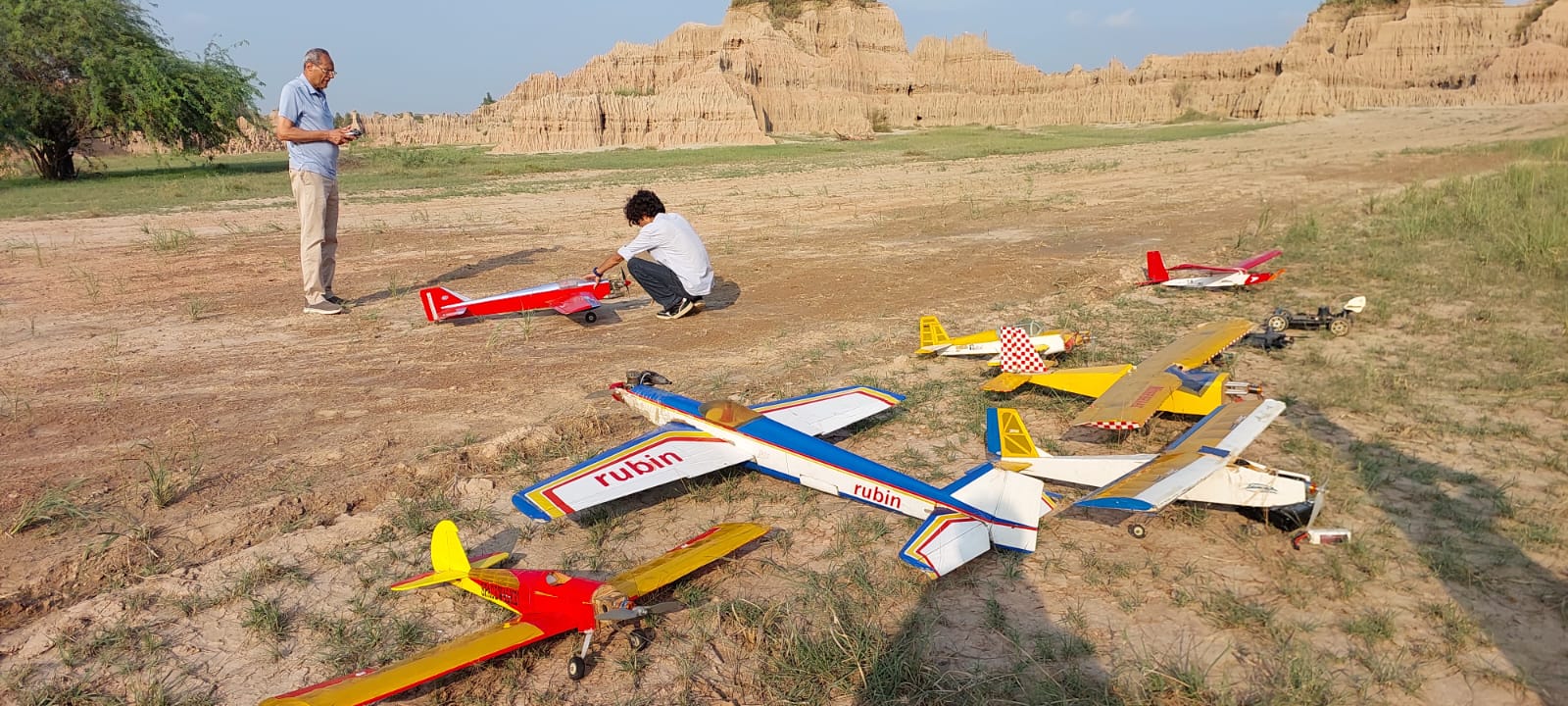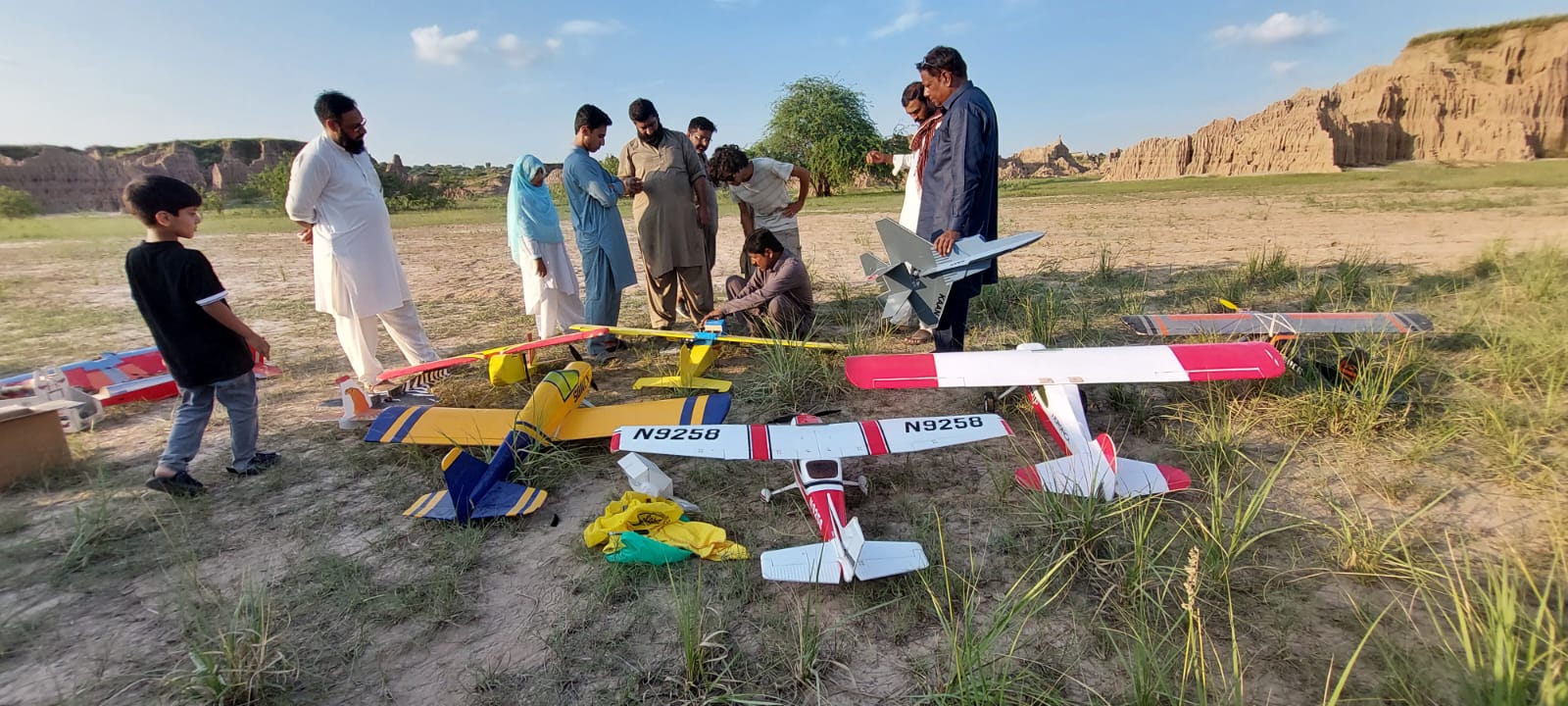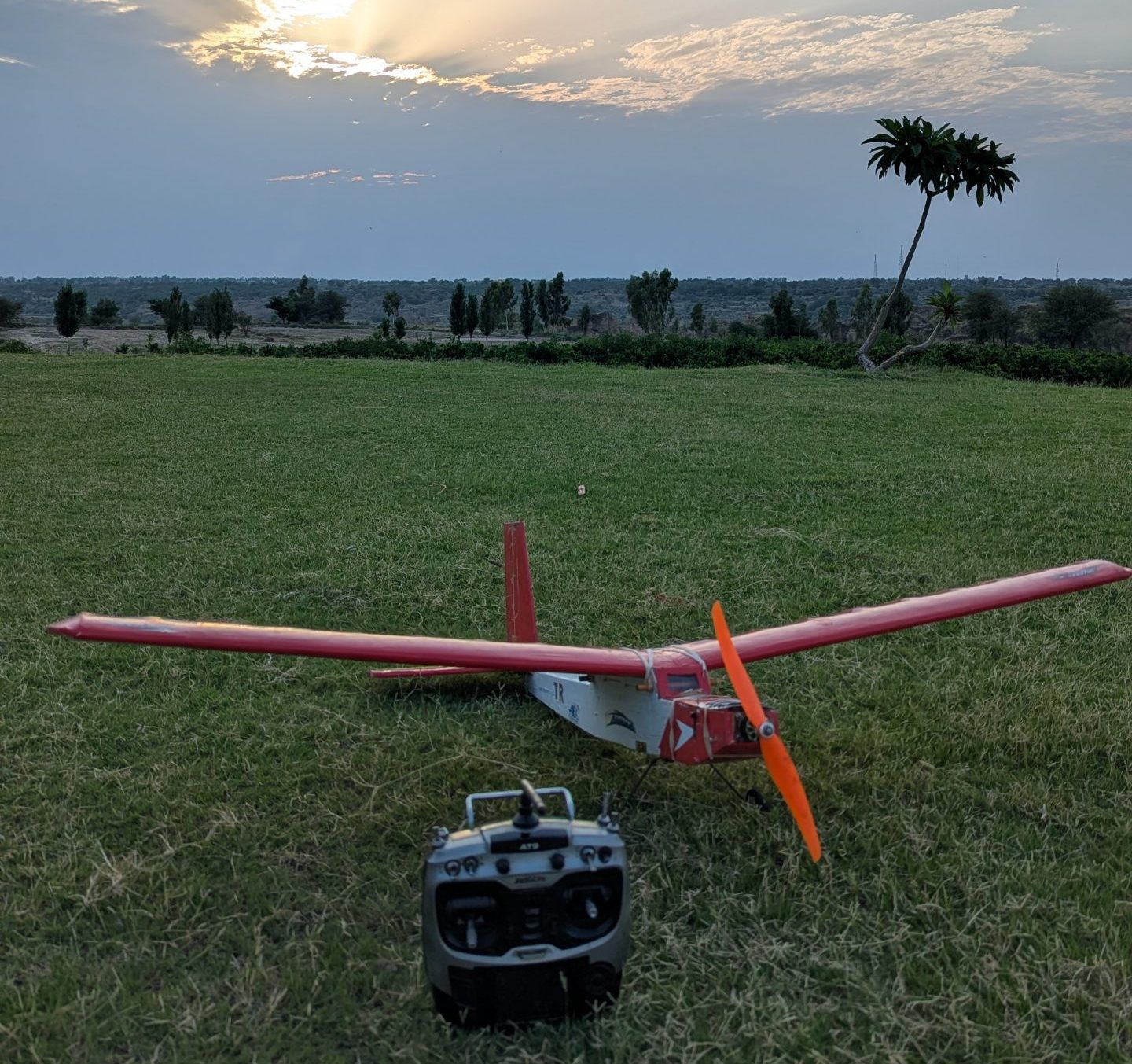


If you have ever built an aeromodelling aircraft, chances are you have worked with one of the hobby’s most fascinating materials—balsa wood.
Light, easy to shape, and surprisingly strong for its weight, balsa has been a favourite material among aeromodellers for generations. It is also widely used in architectural models, crafts, lightweight structures, and other applications where low weight is important.
🌳 What is Balsa Wood?
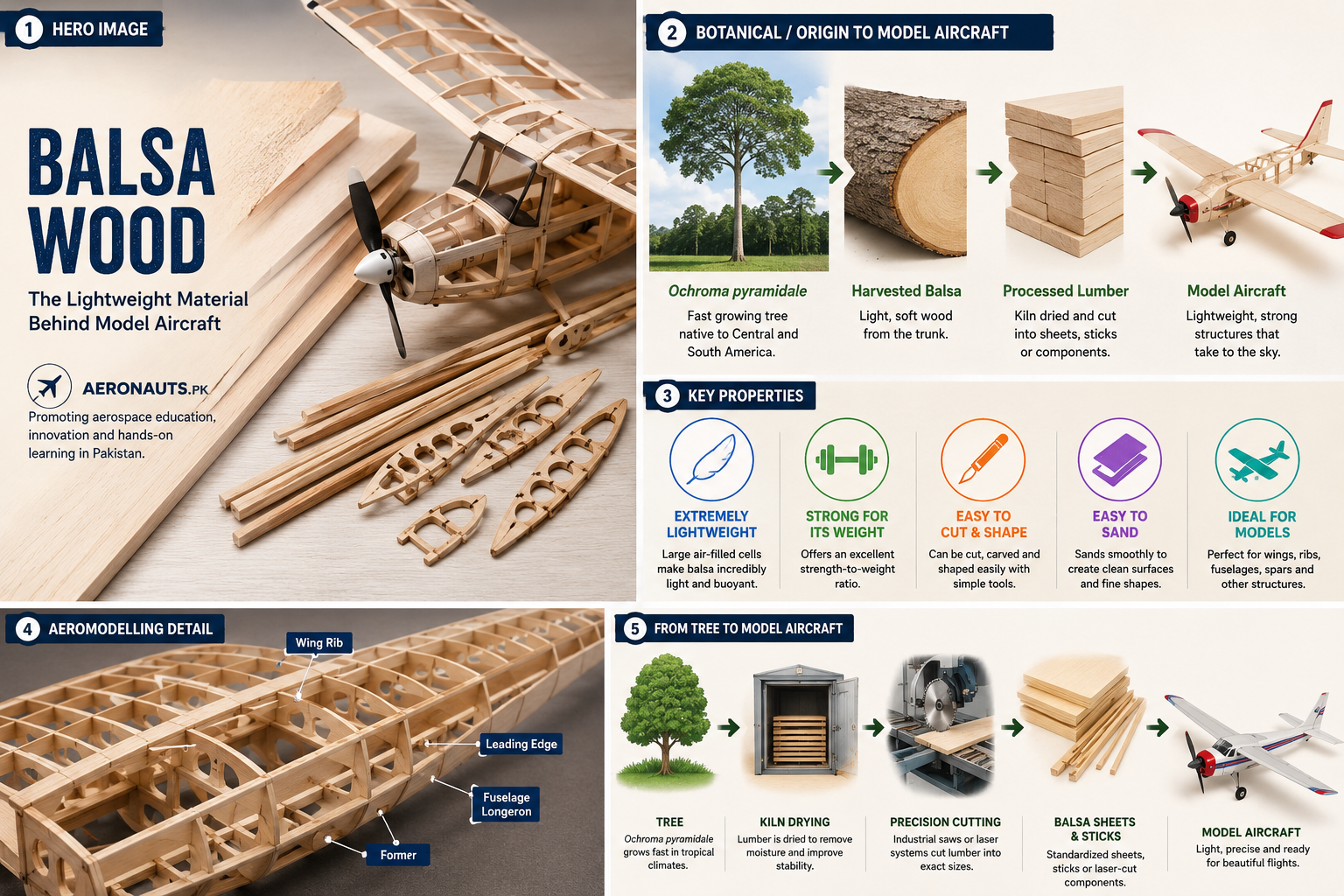
Balsa wood comes from the fast-growing Ochroma pyramidale tree, native to Central and South America. The tree can reach around 30 metres (98 feet) in height.
Interestingly, although balsa is exceptionally soft, it is botanically classified as a hardwood. In fact, it is considered the softest commercial hardwood.
Its remarkable lightness comes from its cellular structure. The wood contains large cells with a high proportion of air, giving it an extremely low density and making it light enough to float.
✈️ Why Do Aeromodellers Love Balsa?
Balsa is particularly well suited to model aircraft construction because it offers an excellent combination of low weight, ease of machining, and useful structural strength.
⚖️ Extremely Lightweight
Keeping an aircraft light is critical in aeromodelling. Balsa allows builders to construct wings, fuselage structures, ribs and other components without adding unnecessary weight.
💪 Strong for Its Weight
Although it is soft and fragile compared with many conventional woods, balsa provides an impressive strength-to-weight ratio when used appropriately in lightweight structures.
🔪 Easy to Cut and Shape
Balsa can be cut with simple hobby tools such as a sharp craft knife. It can also be easily sanded, carved, glued and shaped to produce aerodynamic surfaces and intricate model components.
🛠️ Ideal for Model Construction
Its combination of lightness and workability makes balsa particularly useful for wings, ribs, fuselage frames, spars, formers and other aircraft structures.
🌱 From Tree to Model Aircraft
Commercial balsa used by aeromodelling suppliers is carefully processed to provide consistent sizes and quality.
After harvesting, the lumber is typically kiln-dried and precision-cut using industrial saws and specialized cutting systems. Depending on the intended application, it can be supplied as:
- Thin sheets and sheets of different grades
- Long, uniform strips and sticks
- Precision-cut aircraft components
- Laser-cut model aircraft kits
Modern manufacturing techniques can even produce highly accurate computer-designed, laser-cut components, allowing hobbyists to assemble complex model aircraft with greater precision.
🛩️ A Small Piece of Wood with a Big Role
From a simple hand-cut glider to a sophisticated scale model, balsa continues to play an important role in aeromodelling.
For beginners, it is an excellent material for learning cutting, shaping, sanding, structural design and aircraft construction. For experienced builders, its low weight and versatility make it a valuable material for creating lightweight and efficient flying models.
Next time you see a balsa model aircraft, remember: behind that lightweight structure is a remarkable natural material that has helped generations of aeromodellers turn ideas into flying machines.
📌 Aeromodelling Tip
Not all balsa is the same. Different pieces can vary considerably in density, grain direction and stiffness. Selecting the right grade for each component is an important part of good model aircraft construction.
Aeronauts.pk — Promoting aerospace education, innovation and hands-on learning in Pakistan.
The article has been generated with the help of senior aeromodeler Jamshed Ishrat from Islamabad. Graphics and formatting applied with use of Chatgpt.